Why Acupuncture Works | Yoshimura Acupuncture & Massage Clinic, Fukuoka
Yakuin, Chuo-ku, Fukuoka, Japan
Why Acupuncture Works
This page is a short, plain explanation of what a needle actually does inside the body. Not folklore, not a sales pitch — the physiological chain of events that a tiny needle sets off, as I explain it to my own patients.
If you haven’t already, I’d suggest reading my main page for visitors from abroad first, which covers what a session looks like and how to book.
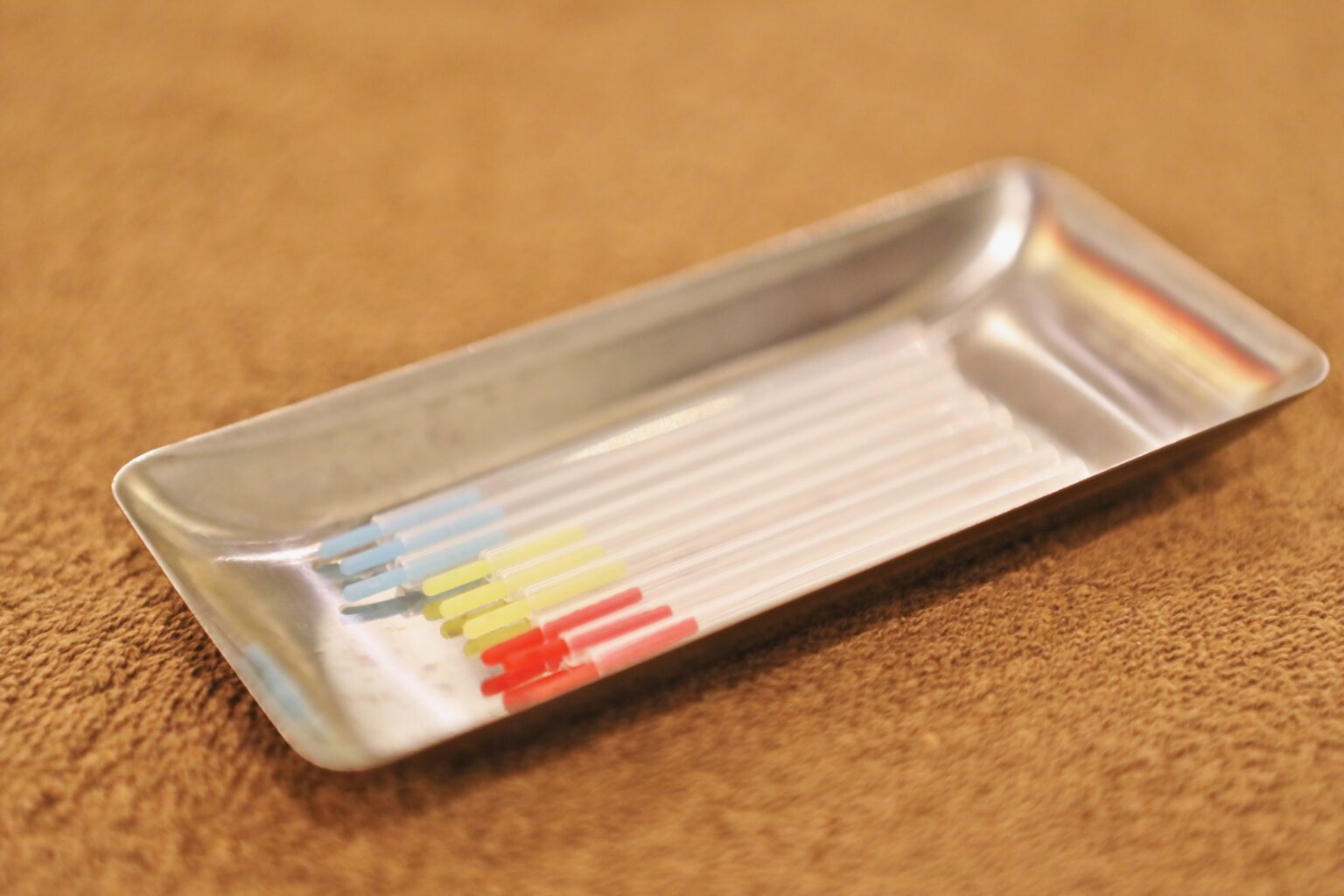
A Small, Controlled Injury
The needle itself is not the treatment. The body’s response to it is.
Acupuncture is not simply “improving blood flow.” When a sterile needle enters the muscle, it creates an extremely small, controlled injury — a microtrauma, far smaller than a cut or a bruise. The body notices this immediately: blood flow at the site changes, and cells involved in tissue repair are called into action.
I think of this as waking up the body’s own, natural capacity to repair itself — not replacing it, just prompting it to start working.
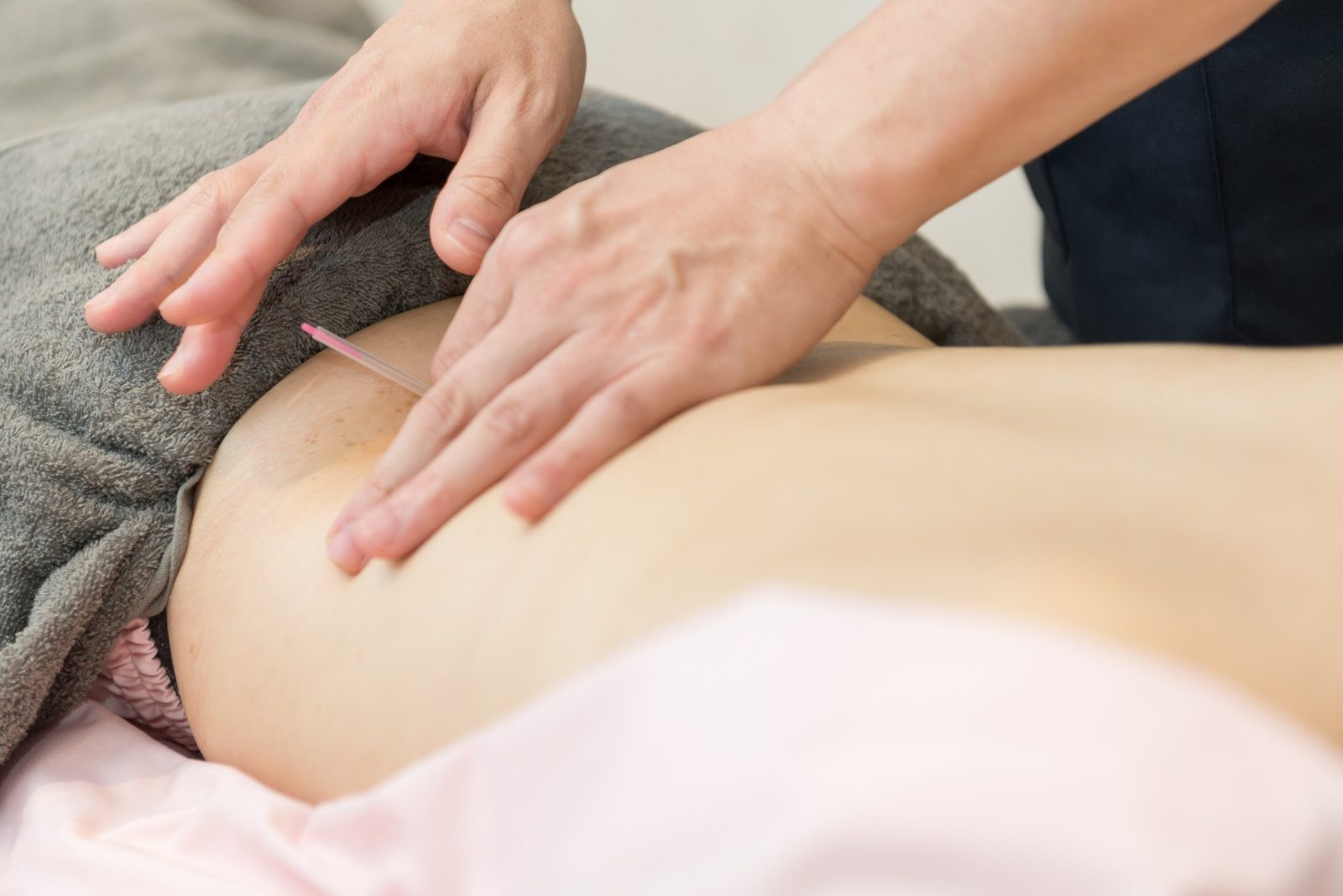
The Immune System Responds
A needle is a foreign object. The body treats it that way — in a useful sense.
Along with the microtrauma itself, the presence of the needle is detected by the immune system. This triggers local immune activity at the site — part of the same response that handles any small injury. Combined with the repair process above, this is what I mean when I say a needle doesn’t heal anything directly; it gives the body a clear, specific signal to direct its own resources toward.
The Flare Reaction — a Sign You Can Actually See
Sometimes the skin around a needle turns slightly red. That redness is the mechanism, visible.
The needle stimulates sensory nerve endings in the skin called polymodal receptors. That signal doesn’t just travel toward the spinal cord — it also spreads sideways, along branches of the same nerve, to the surrounding area. This is called an axon reflex. It causes those nearby nerve endings to release a substance called CGRP, which widens the local blood vessels.
The result is a soft, pink flush around the needle — the flare reaction — and it usually fades on its own within a short time.
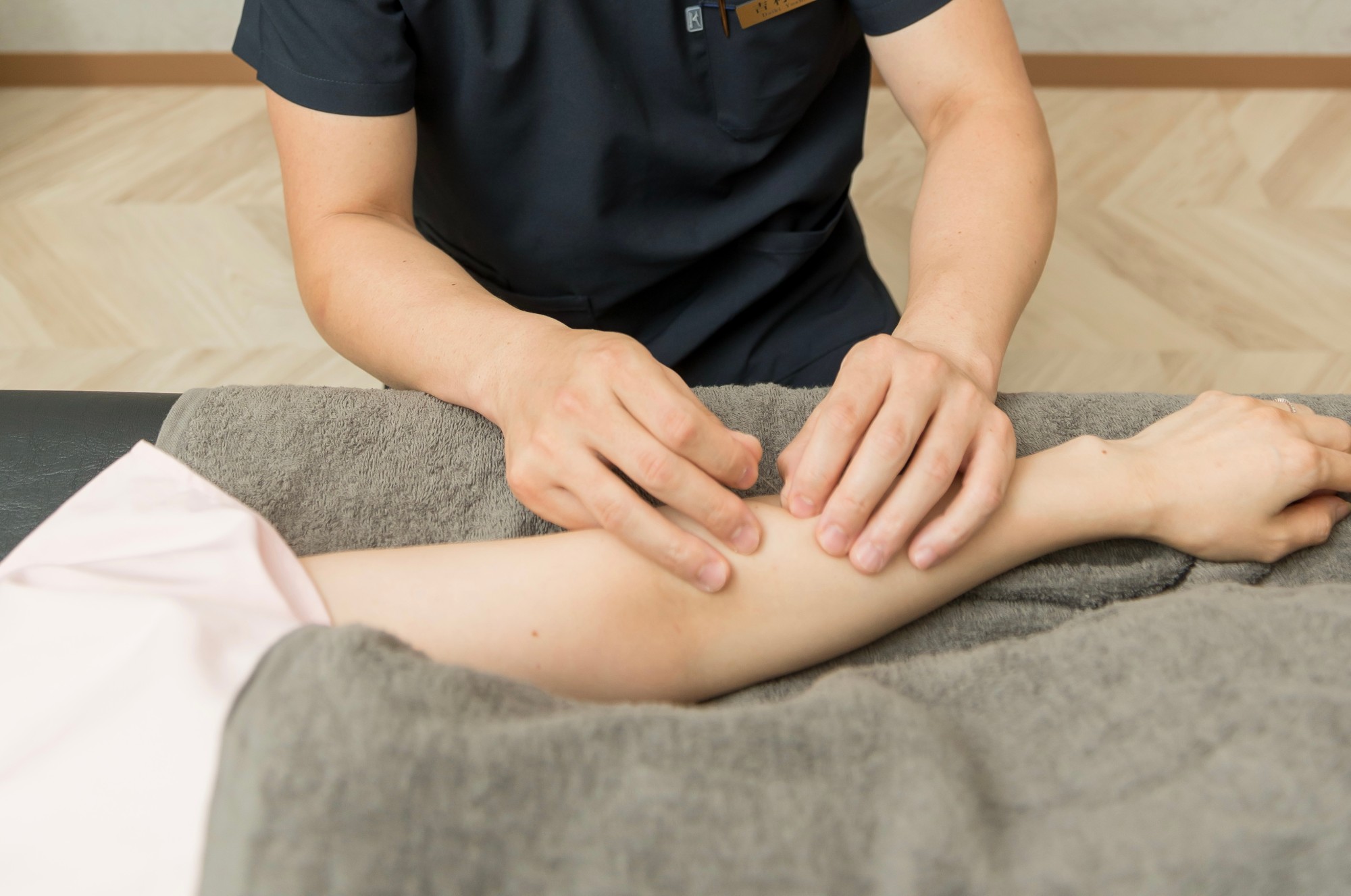
I find this detail reassuring to explain, because it’s not an abstract claim — you can watch it happen on your own skin. It’s visible proof that the needle is genuinely changing blood flow at that exact spot, which is also how I think about acupuncture helping to clear away fatigue and pain-related byproducts from tired, overworked muscle — by improving circulation precisely where it’s needed.
Put Together
1. Microtrauma → repair cells activate
A tiny, controlled injury calls the body’s own repair process into action.
2. Foreign object → immune response
The needle’s presence is detected and triggers local immune activity.
3. Axon reflex → improved local circulation
Nerve signals widen nearby blood vessels — visible as the flare reaction — improving blood flow right where the muscle has been working too hard.
None of this guarantees a specific outcome, and I never promise a condition will be cured. What I can say is that these are real, observable processes — not a metaphor — and they’re what I’m aiming to trigger every time I place a needle.
Ready to book, or want to know what a session looks like?
Back to the main page for visitors →Written by
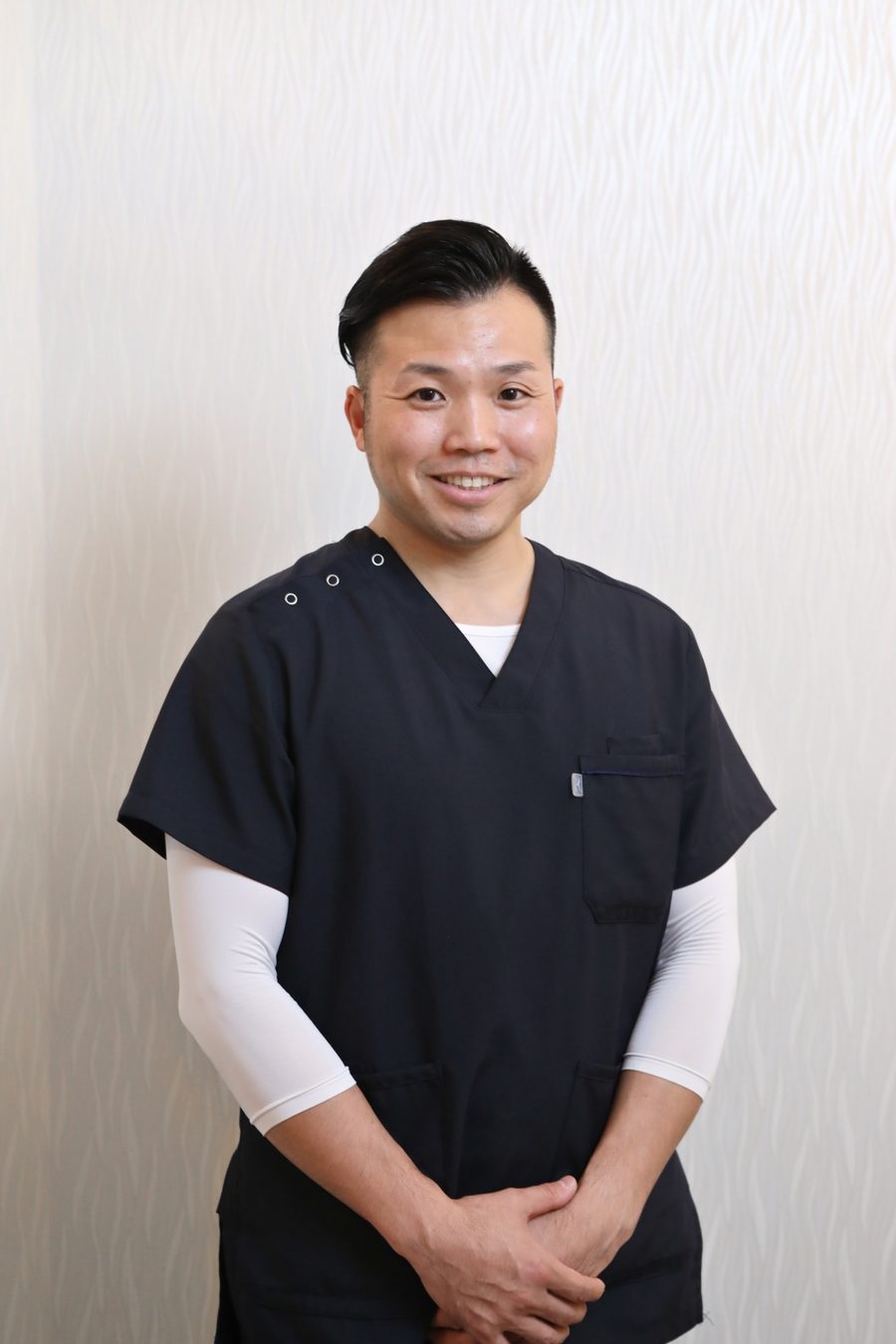
Daiki Yoshimura
Director, Yoshimura Acupuncture & Massage Clinic / CEO, LITA GROUP Inc.
Acupuncturist (hari-shi), Moxibustionist (kyu-shi), Anma-Massage-Shiatsu Therapist, Judo Therapist | 24 years in practice
Member of the clinical network of the Japan Fibromyalgia and Chronic Pain Society (per the Society’s public listing, confirmed October 2026)
I have been in practice for 24 years, and have run my own clinic for 12 of them — first in Hakozaki, then Akasaka, and since January 2026 here in Yakuin, Fukuoka.
Pain often appears somewhere other than where it begins. Rather than working only on the spot that hurts, I look at how the whole body is connected, and build each session around what I find that day.
I work alone. From the first questions to the treatment itself, every session is handled by me.